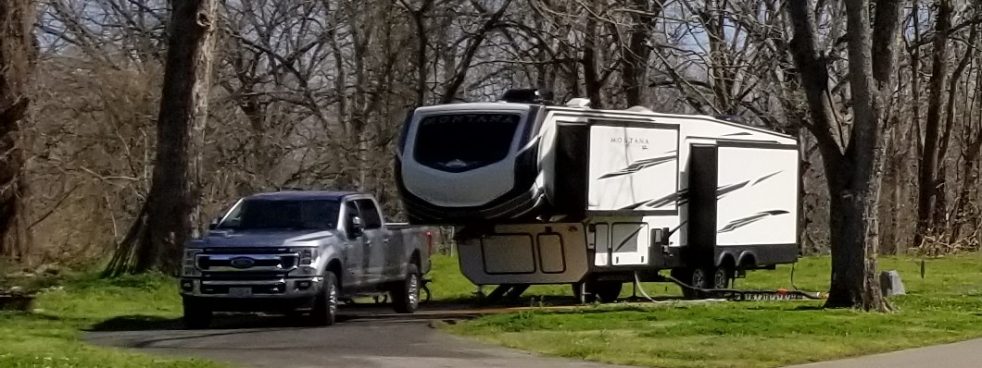
We spent a total of about two and a half months in the Phoenix area this winter, save the ten days that we returned to Denver for Christmas. Although I’m acclimated to desert living by now, I think once in awhile about how different life is here compared to life in the Midwest.
Everyday, mundane things, such as how it’s not unusual to find the parking lot at the grocery store with a covering over it.

It’s not any covering, either. Those are solar panels. So the cars stay nice and shaded while they’re parked in the hot summers, and the panels help provide energy. The birds love it, as evidenced by all the tweeting coming from above. By the way, the grocery store is a Fry’s, a brand of Kroger’s, which is the main option here.
The highway berms are completely finished off with beautiful desert landscaping. The barrier walls and exit tunnels are decorated with desert or native designs. Two enormous lizards playfully climb up a column on an overpass near Goodyear, and a large cute bug graces a tunnel entrance nearby. Near where we were staying in Gold Canyon, a quail family marches along an exit berm in colored gravel, and a roadrunner is on the opposite side.
Of course, when we are on the highway, I can’t very well yell at my husband to stop so I can take a picture. But on an ambitious walk from our park in Goodyear one day I was able to photograph one of these.
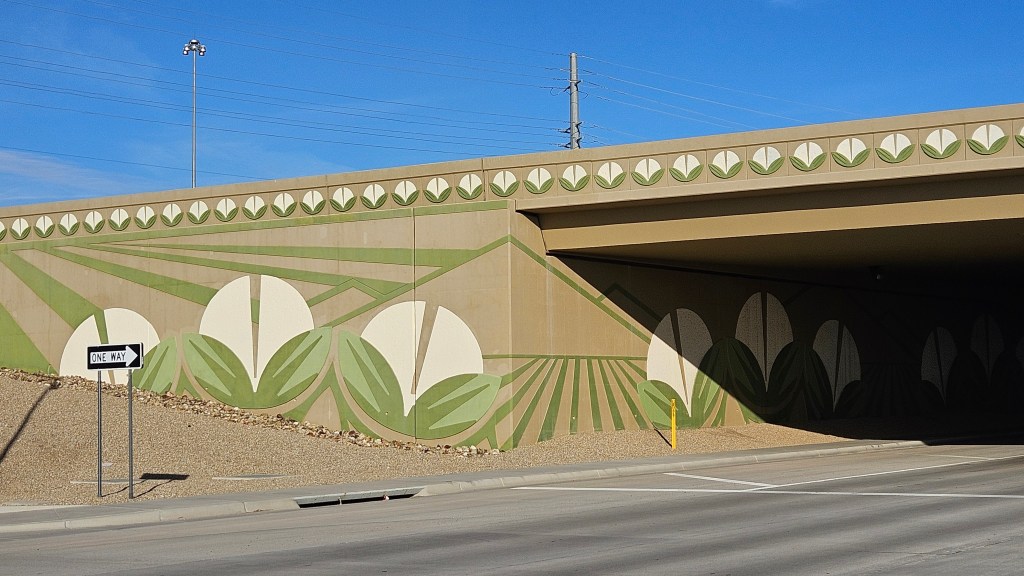
The design on this particular exit bridge and tunnel is of cotton. That is because it is right next to Cotton Road, or because cotton has been traditionally grown around here. Or perhaps for both reasons.
Development is booming here. Subdivisions are going up everywhere. They bring in the road crew to add more lanes to an existing old desert road, then add sidewalks, desert landscaping, and a five-foot high decorative cement brick wall around the subdivision. I don’t know why every one has to have a wall. A new subdivision is going in kitty-corner from our park, and the empty stretch of land across from it will also be developed at some point soon, I’m sure. Signs from home builders about new developments are on every corner.
It’s not only homes, but also shopping centers. Of course, everyone needs a grocery store, but all the chain stores and restaurants are being built too.
We rode bikes one Sunday afternoon and tried without a lot of success to push past all the development. Our ride went like this: we were on the narrow edge of road pavement, then a new sidewalk, then a dirt path, then a stretch of prettily landscaped walkway between the walls of two communities, then a new subdivision road, then a path again, then a busy rural road.
I’m afraid that, at some point not long in the future, family farms like this one will go the way of the dinosaur.


How can this lush green field exist in the desert?
The answer lies in irrigation from the canal system that crisscrosses this city. In antiquity, the Hohokam peoples cultivated the Salt River valley with a system of hand-dug canals for farming. Centuries later, the European settlers noticed the old canals, and began digging them up themselves. I’ve learned that there are 180 miles of canals in the Phoenix area.
It’s not only for irrigation, of course. These canals provide drinking water, and the city could not survive without them. Water rights, preservation and distribution are an ongoing struggle here.
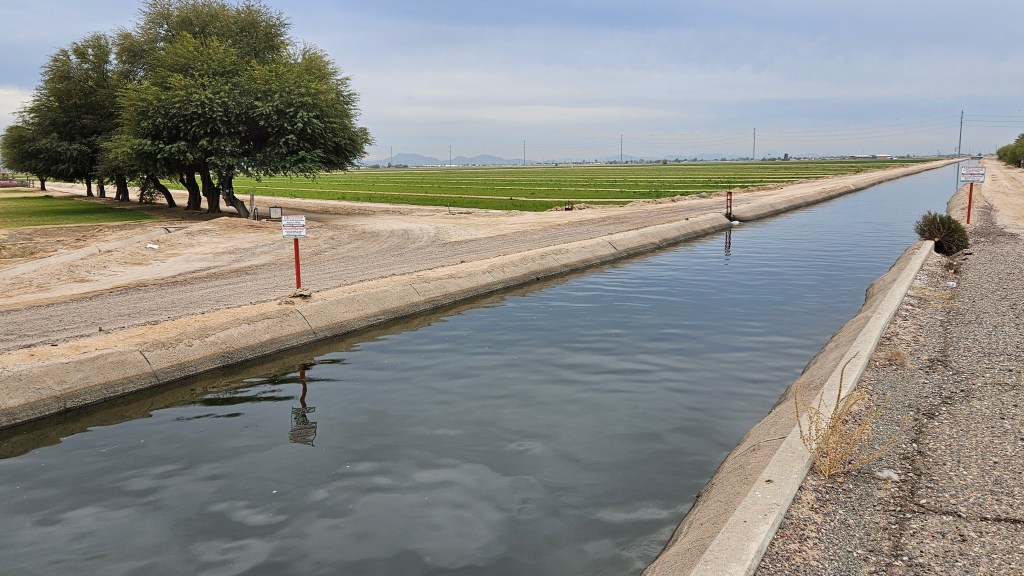
Roosevelt Canal lies next to our park. In one subdivision farther down the canal, they’ve built a sidewalk next to it that goes on for about a quarter mile.
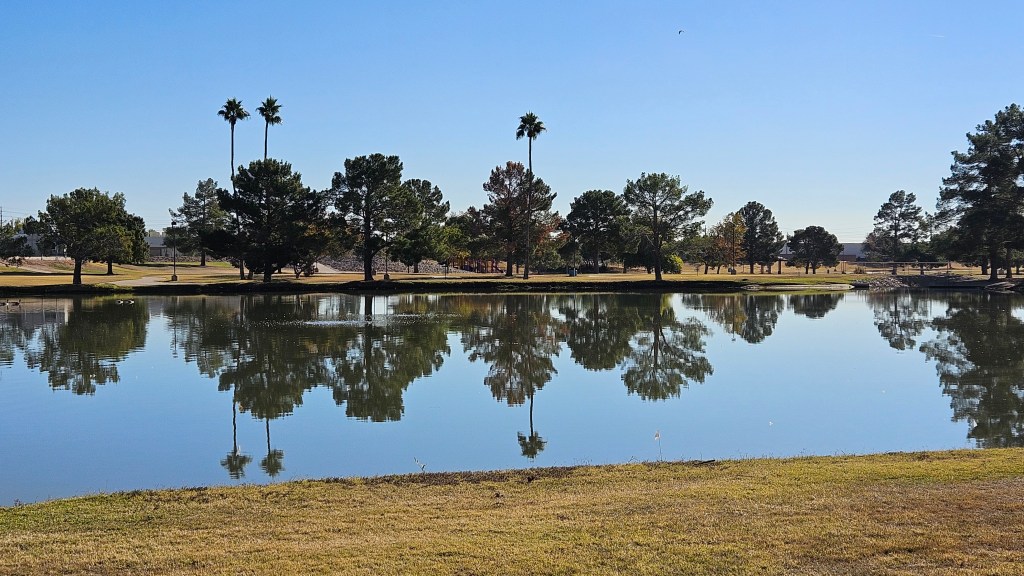
The city of Tempe, Phoenix’s first suburb, calls a wide spot in the canal “Tempe Lake”. They have built a park, complete with a bike trail, next to their stretch of canal. This part of it dams up the Salt River.
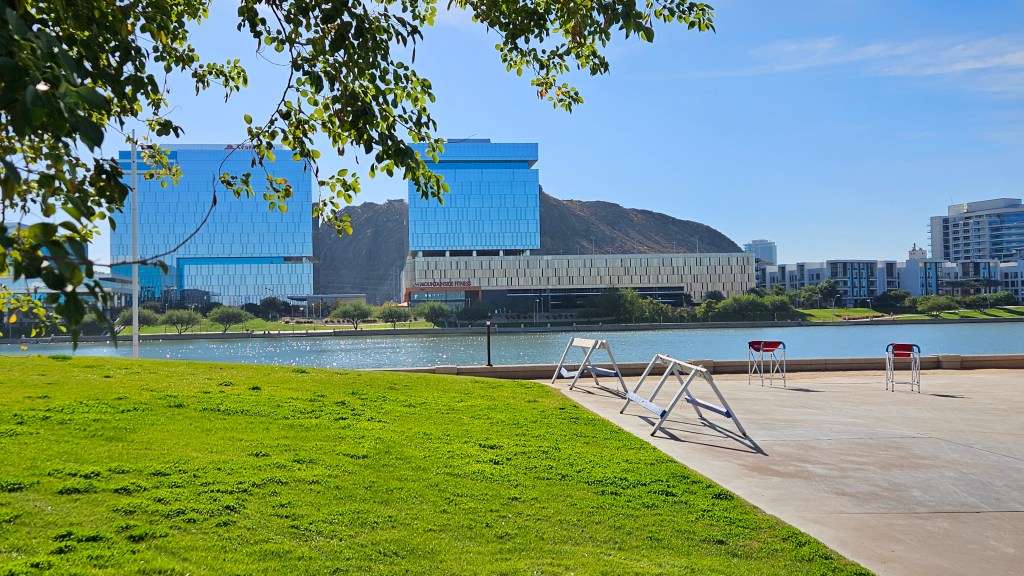
Although the valley that Phoenix is in is very flat, it is also surrounded by a mountain range, and every now and then an individual mountain pops up. The city has simply built around them, as evidenced by this mountain popping up behind the sparkly buildings on Tempe Lake.
We rode the bike trails around Tempe Lake, but only one of them really went anywhere. It took us to the Phoenix suburb of Scottsdale. The trail followed the canal for awhile, but then closer to Scottsdale it went through a series of parks and golf courses. We greatly enjoyed this ride.
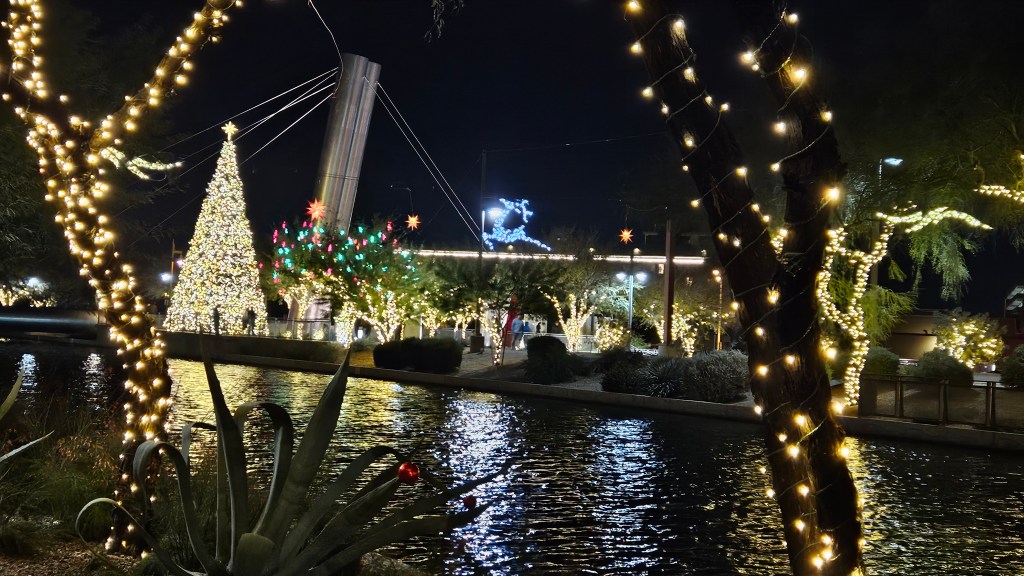
Speaking of Scottsdale, the Arizona Canal goes through the Old Town area. At Christmas time, the lights are very pretty on the canal.
Another suburb with water is Fountain Hills. Their water is not a canal, but Fountain Lake. A beautiful paved walking path goes around the whole of it. The lake is effluent, meaning that it receives its water from a groundwater flow system. That’s about all I understand about that.
The centerpiece of this lake is a fountain. And not just any fountain, but the world’s fourth-tallest at 560 feet, and the second-tallest in the United States. It only goes off for 15 minutes on the hour.
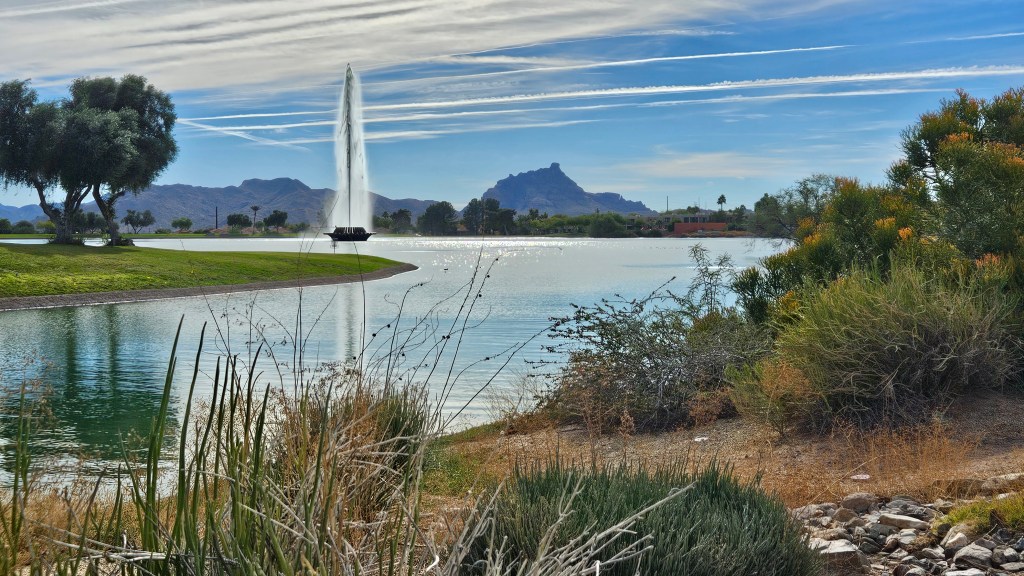
Flying back in to Phoenix from our Christmas in Denver, we were able to see the fountain from the air. It rose up from the lake like a great white feather.

There are many fascinating sculptures along the path.
We went up to another suburb, Sun City West. There was no water to be seen here, but something much better: an afternoon spent with my brother and sister-in-law Marcus and Heidi, while they were visiting their son-in-law’s mother Joy. Their mutual family lives in Hawaii, and Marcus and Heidi had just returned from there. Joy graciously invited us to her home for lunch and we all had a lovely afternoon visit.


While we visited, we watched hummingbirds repeatedly visit at Joy’s feeder, and a family of Gambel’s quail playing around on the golf course behind her patio. Just before that visit, I was delighted to see a covey of them walking around our RV. It’s very hard for me to get pictures of them; they skitter around so fast. This time, they didn’t know I was watching them from inside.

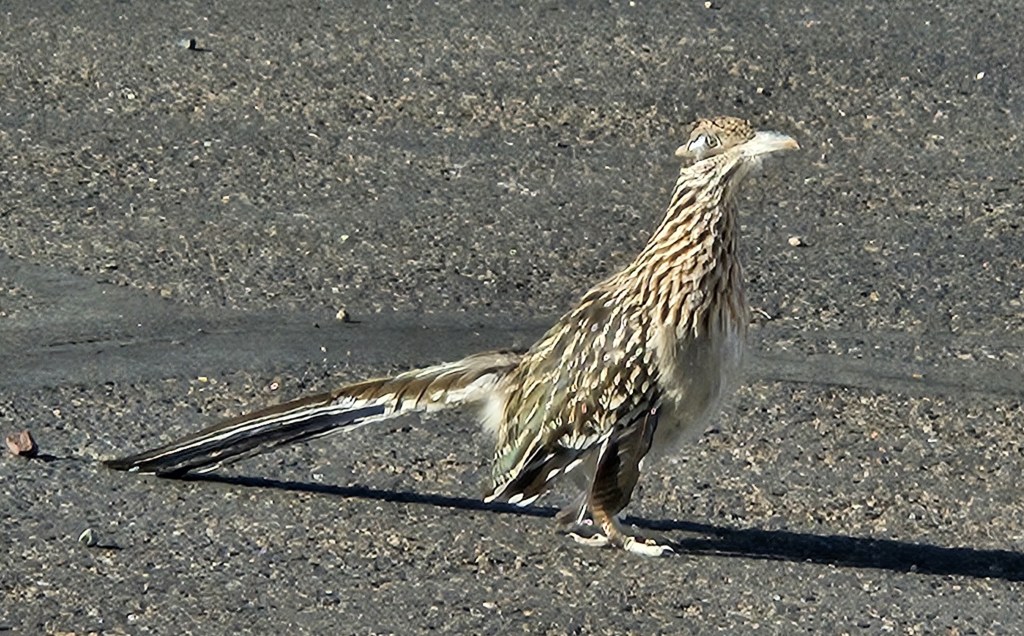
At our RV, Cal would often see a roadrunner making its way to somewhere further into the park. Later in the day, it would make its way back through our site again.
The thing I really liked about our stay in Goodyear was that there were citrus trees in our park, and the fruit was ours for the picking as residents. At any time, I would help myself to oranges, tangerines, lemons and grapefruit. This was my favorite grapefruit tree:

There are two regional Maricopa County Parks near Goodyear: Estrella Mountain, and White Tanks. We got in a couple of hikes when the weather warmed.
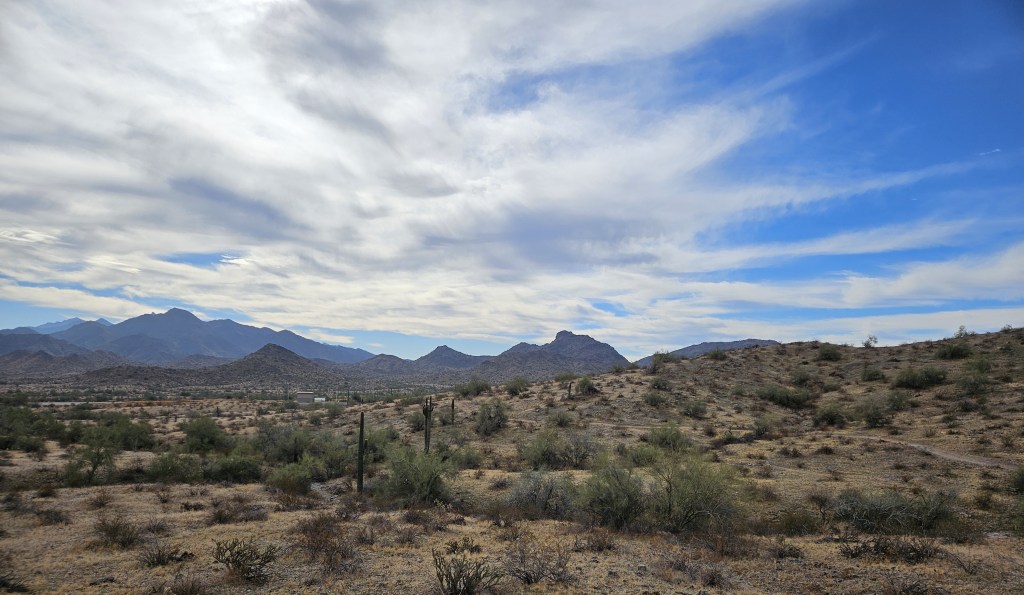
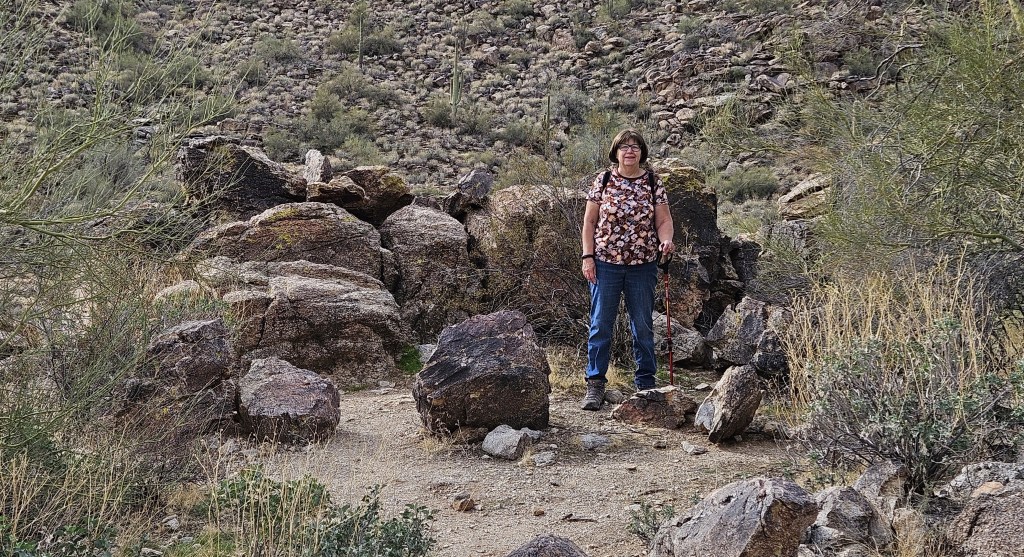
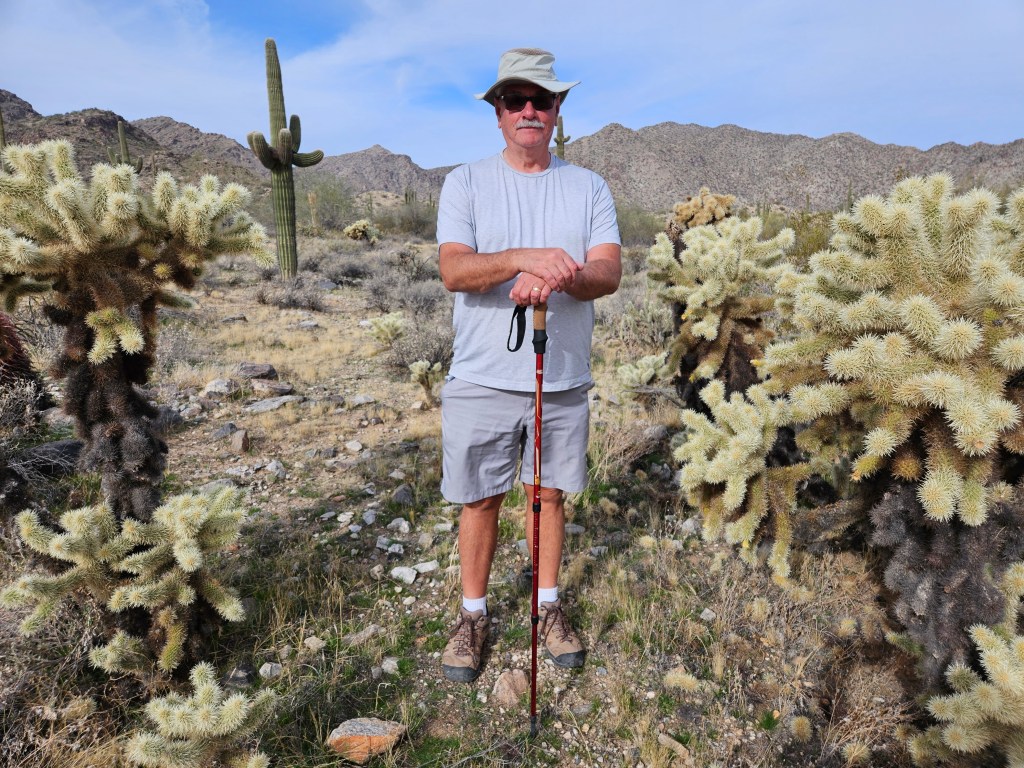
A winter in Arizona is certainly different from the Midwest, especially when I think about the landscape there in January. We’ve done our share of complaining about the chilly temperatures, but we know we have nothing to complain about when everyone up north is shivering with snow and ice.
Next time – Quartzsite!
 Twosna Travels